

Design Standout Cereal Packaging in Aisles
Competitive Packaging Strategies for Maximum Impact


Key Takeaways
When everyone does the same, do this: The cereal aisle is filled with packaging designs that remain overwhelmingly similar, often failing to captivate consumer interest with unique visual elements - Watch to see how to innovate!
Potential for Innovation through Form Factor: Novel packaging formats, like gable tops and alternative materials, present an opportunity to differentiate products in crowded retail environments.
Interactive Packaging as a Game-Changer: Brands can leverage interactive technology such as QR codes to create engaging experiences, appealing directly to the tech-savvy generation.
Exploring the Homogeneity in Cereal Packaging
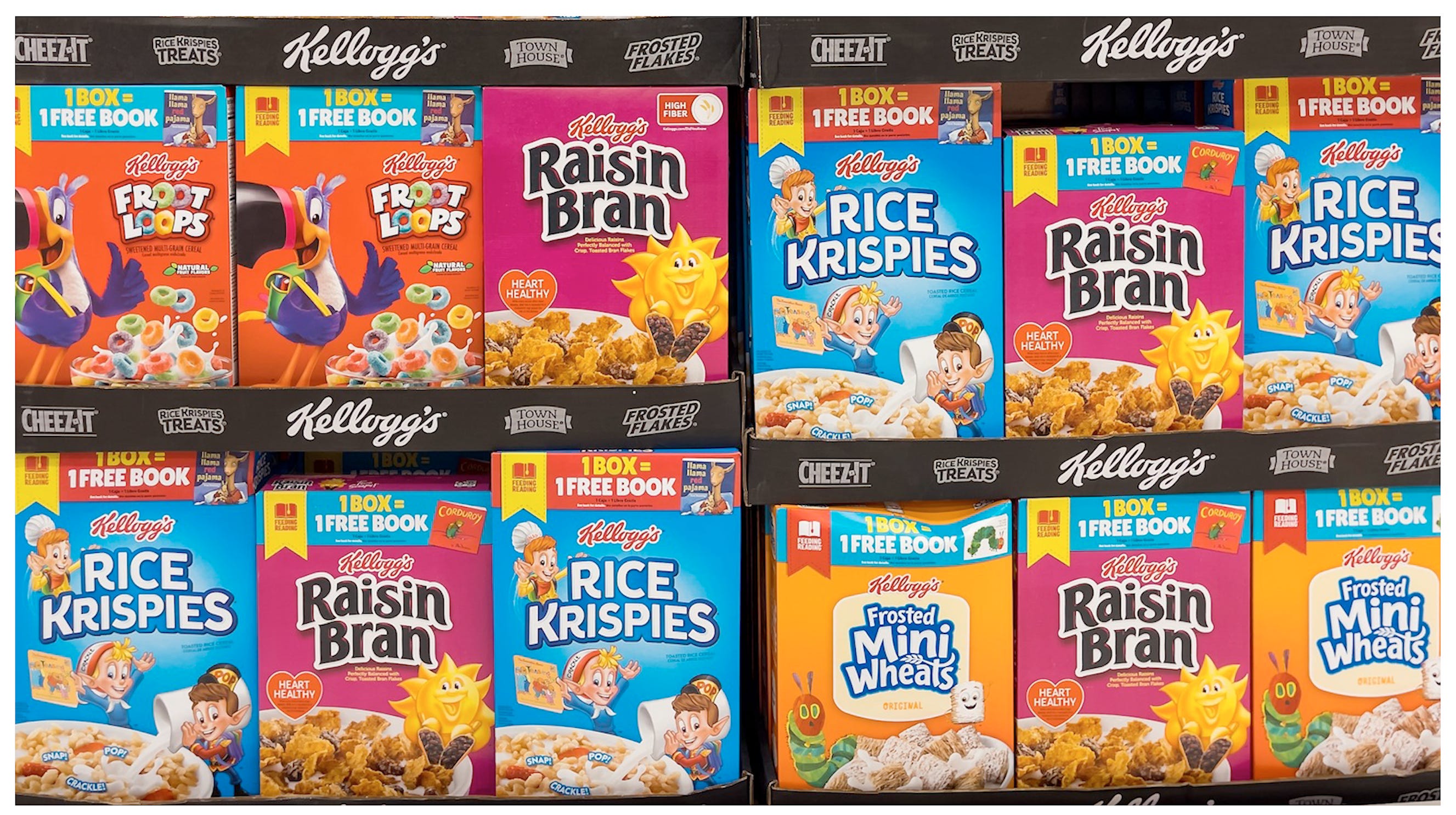
The cereal aisle stands as one of the most cluttered and overwhelming sections in grocery stores, with products often sharing similar packaging formats, color palettes, and design elements. "Everything looks the same," laments Evelio Mattos. This conformity in design leads to a lack of inspiration and differentiation, which can easily be overlooked by consumers.
The transcript highlights the predominant use of yellow across cereal packaging, along with the standard layout featuring mascots, brand names, and callouts like "crunch" or "honey." This formulaic approach results in a dull shopping experience. "There's a ton of yellow," notes Mattos, identifying the cookie-cutter template adhered to by many brands.
By mimicking competitors, brands miss the chance to create a standout product. Mattos and Peek stress the importance of examining what designs saturate the market and advocating for the adoption of unique color schemes and disruptive visual storytelling as a means to capture attention.
Novel Packaging Formats: Breaking the Mold
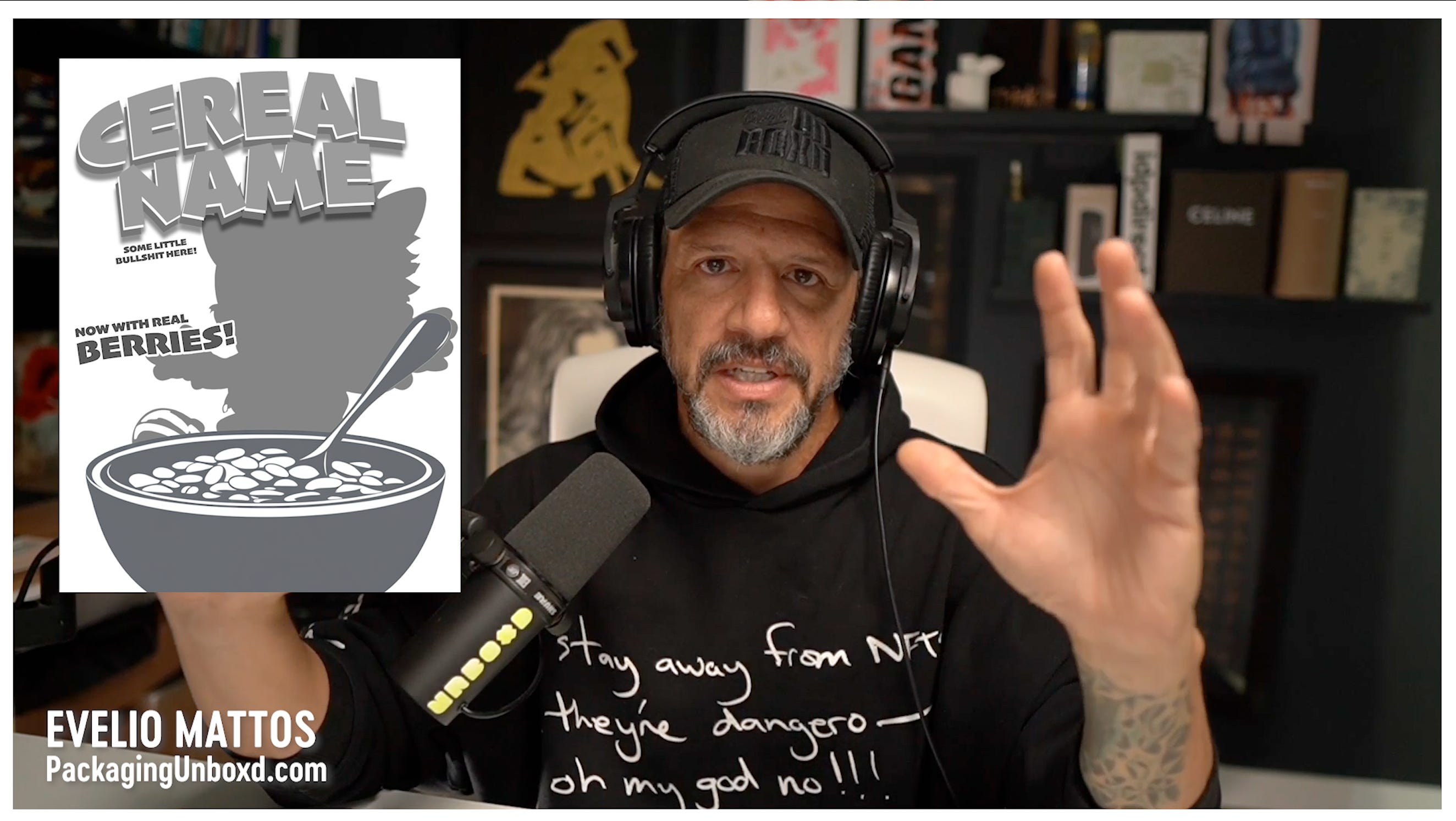
With all brands leaning towards the same few design choices, the opportunity for innovation in form factor is ripe for exploration. "I would love to see cereal experiment a little more with form factors," Adam Peek suggests. Alternatives such as gable top boxes or containers a la goldfish packaging could offer not only visual deviation but functional benefits, improving consumer convenience.
Peek discusses cereals stored in glass or metal containers as premium offerings, echoing a current trend in oatmeal packaging that uses cylindrical paper tubes. "The goal is to avoid just another box and bag," he asserts, pointing to the increasing consumer demand for sustainable and visually appealing packaging.
The evolution towards packaging that eschews traditional forms can significantly enhance shelf presence and consumer engagement. Brands willing to venture outside conventional practices could redefine the cereal shopping experience, aligning packaging innovations with ongoing consumer trends towards sustainability and style.
Integrating Interactive Technology into Packaging
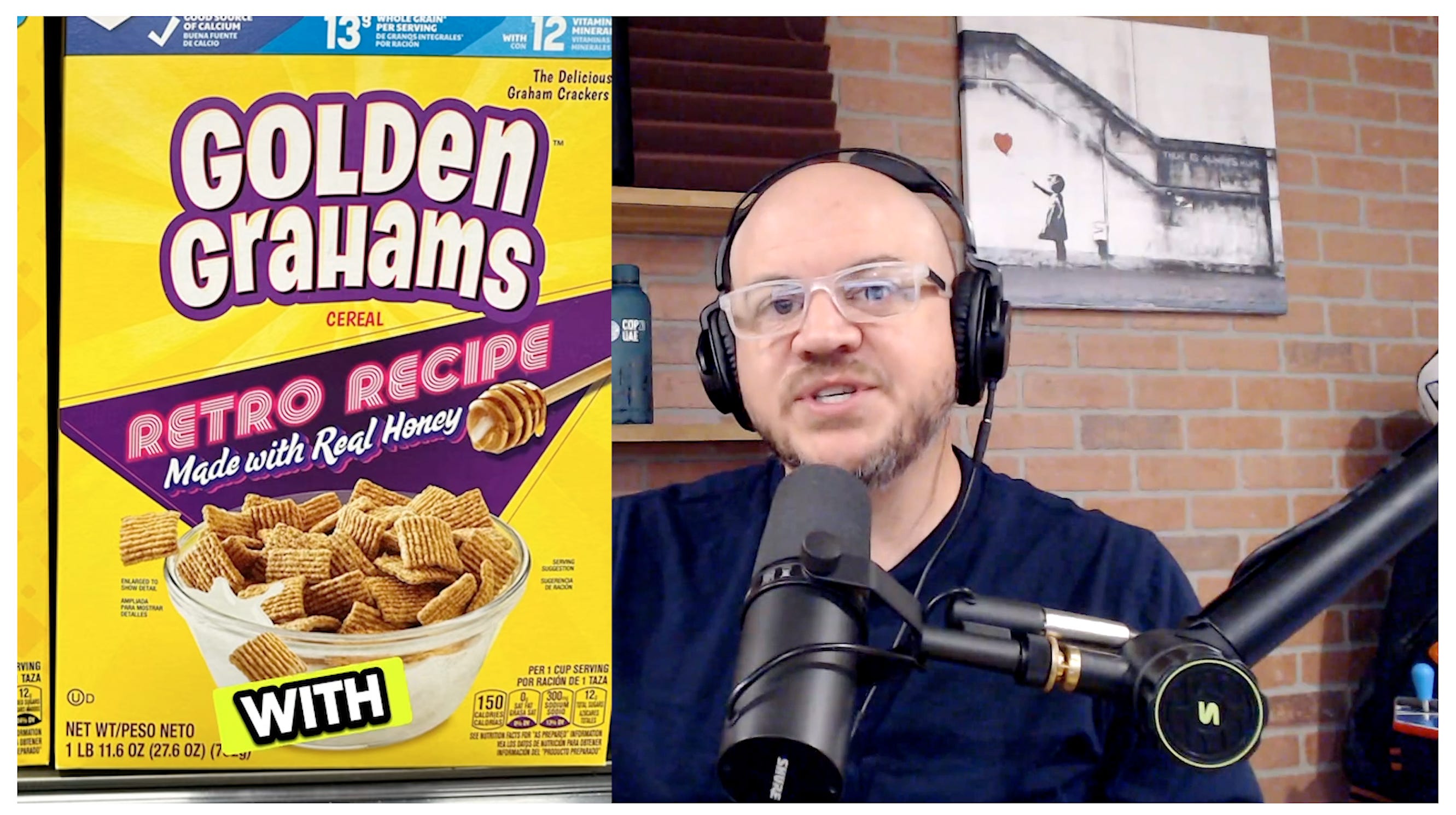
In an era of digital connectivity, the potential to leverage interactive features in packaging should not be ignored. Despite the existence of QR codes, cereal boxes largely remain unchanged in this aspect. "Why are we not making these things more interactive?" Mattos questions, pointing to the transformative potential of technology.
The call for gamifying cereal packaging through shareable online experiences is compelling. By partnering with gaming giants like Minecraft or creating exclusive digital content, brands can foster engagement beyond the breakfast table, ensuring that cereal packaging provides ongoing, evolving interactions. Peek envisions cereal brands borrowing from other industries, like the beverage sector’s "Share a Coke" campaign, which personalized packaging to drive consumer interaction.
A technology-driven approach could rejuvenate the cereal aisle, especially as evolving retail technology encourages broader acceptance of augmented reality and interactive experiences. The benefits for brands are twofold: enriching consumer experience and harvest valuable insights into consumer behavior through digital interactions.
Broader Opportunities for Packaging Innovation
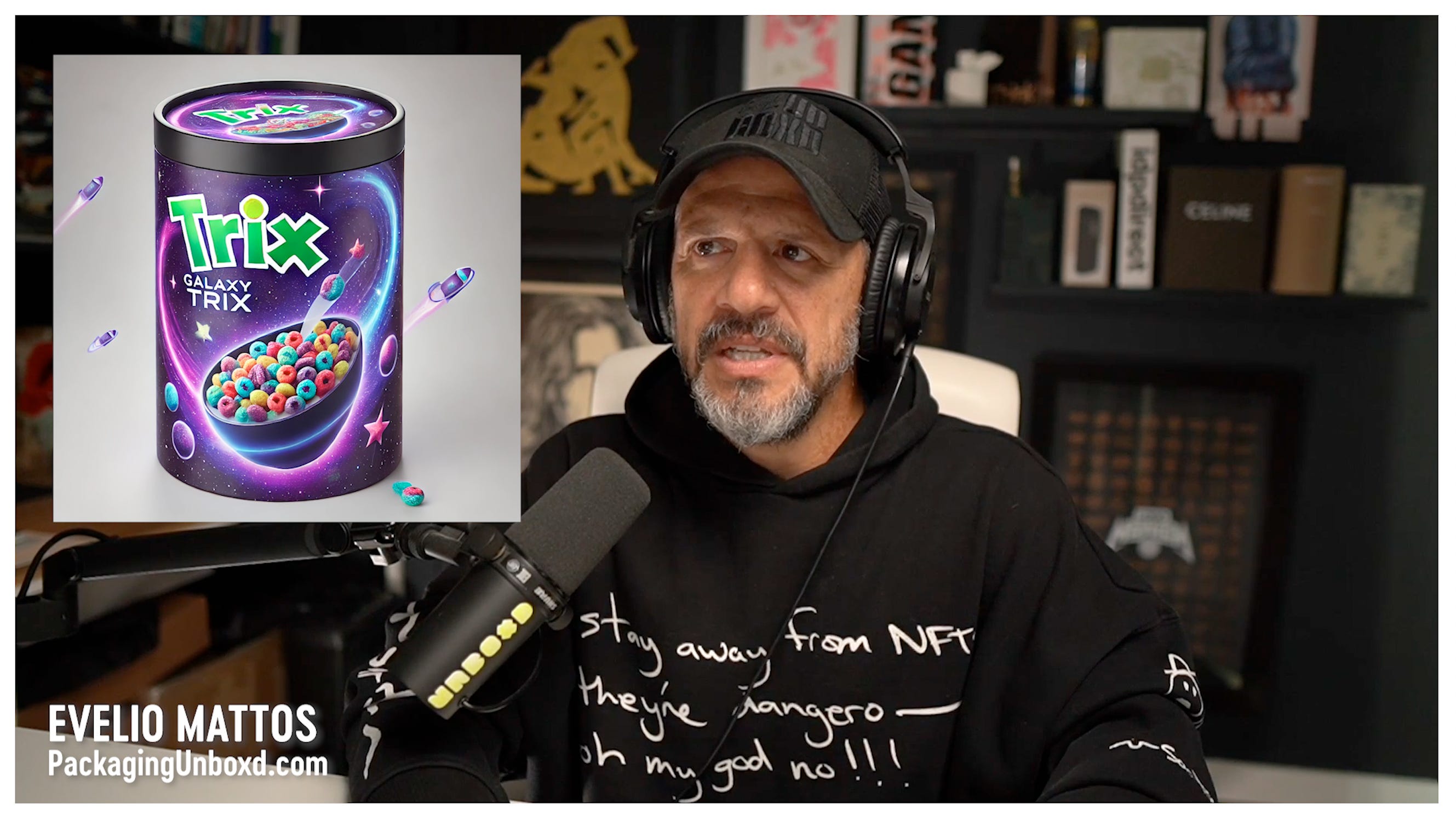
The potential to creatively disrupt the retail packaging norm reaches beyond cereal aisles, offering insight into larger movement trends across retail sectors. Engagement strategies that combine innovative design with interactive experiences are becoming increasingly integral to capturing modern consumers.
Mattos and Peek highlight the importance of balancing visual appeal, functionality, and technological engagement in crafting packages that resonate with consumers. By breaking free from the confines of traditional design paradigms, brands can capture the generation of customers who seek visually compelling and interactively rewarding products.
In the context of packed retail environments, even small deviations from the norm can engender substantial consumer interest, compelling them to explore, engage, and ultimately purchase. "Look at what's on the shelf, and do the opposite," advises Mattos. The pathway to success involves coupling design innovation with strategic insights, ultimately transforming how products communicate, both on and off the shelf.
Learn how to Design Spirits Packaging from Chad Makerson Michael

Get Your Own FREE Packaging Design Guide Here
