

Decoding Supermarket Aisles: Common Mistakes & How to Avoid Them
Unlocking the Power of Creative Packaging: Insights from Evelio Mattos & Richard Taylor


Key Takeaways
Challenger Brands Thrive on Creativity: Innovators like Liquid Death and Seabrook demonstrate how creativity can disrupt commoditized categories.
Packaging as a Storyteller: Emotional storytelling in design can make brands more relatable and differentiate them in crowded markets.
New Horizons for Disruption: Categories such as toilet tissue and fiber may be ripe for innovative branding and storytelling approaches.
Creative Disruption in Commoditized Categories
How Challenger Brands Stand Out
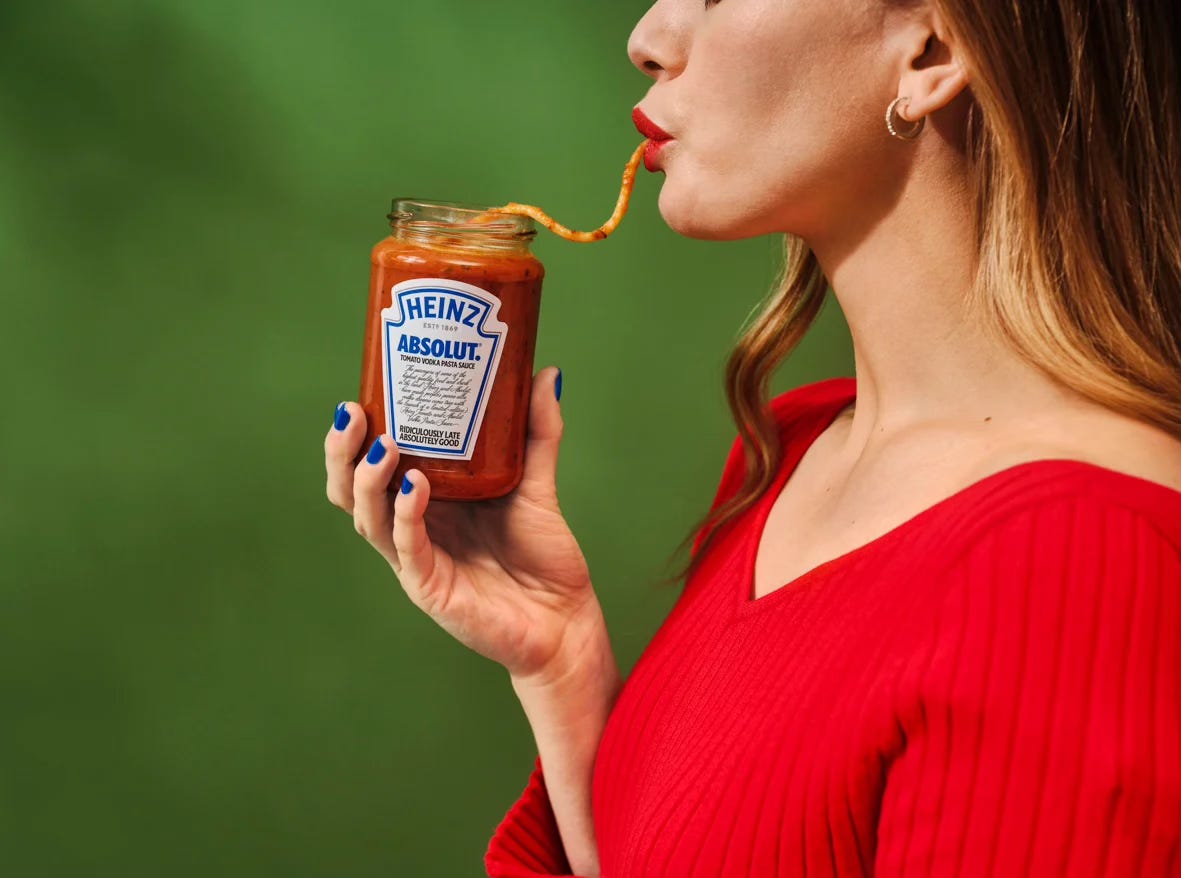
The power of creativity in commoditized categories was a focal point in the conversation between Evelio Mattos and Richard Taylor. Richard highlighted the impact of brands like Liquid Death and Seabrook, emphasizing the importance of creativity in challenging entrenched market leaders.
"I love challenger brands that do that. I think there's just so many commoditized categories that people haven't delved into because they go, 'Oh, it's too hard to enter this category. You can't get in there.' It's like, well, just use creativity and you might find a way." - Richard Taylor
Liquid Death, for instance, reimagined water branding by infusing a punk rock aesthetic that radically deviates from the typical serene imagery of water companies. This imaginative rebranding has allowed them to carve out a unique space in the highly competitive market of bottled water.

Similarly, Seabrook leveraged creative design to refine its branding without discarding its core identity. The subtle yet powerful adjustments made by Brandon Consultants enabled Seabrook to stand out on grocery shelves and rejuvenate its market appeal.
"It's like you see it in the store, it hits you on the shelf, and you just go, 'Wow, okay.' Brand blocks better. It looks like it's been designed now. It's just doing a much better job for the product." - Richard Taylor
The Storytelling Power of Packaging
Making Emotional Connections
In the increasingly crowded shelves of grocery stores, standing out isn't just about bold colors or flashy designs. It's about telling a story that resonates with the consumer. Richard and Evelio dissected how effective storytelling in packaging can elevate brands and create a lasting impact on consumers.
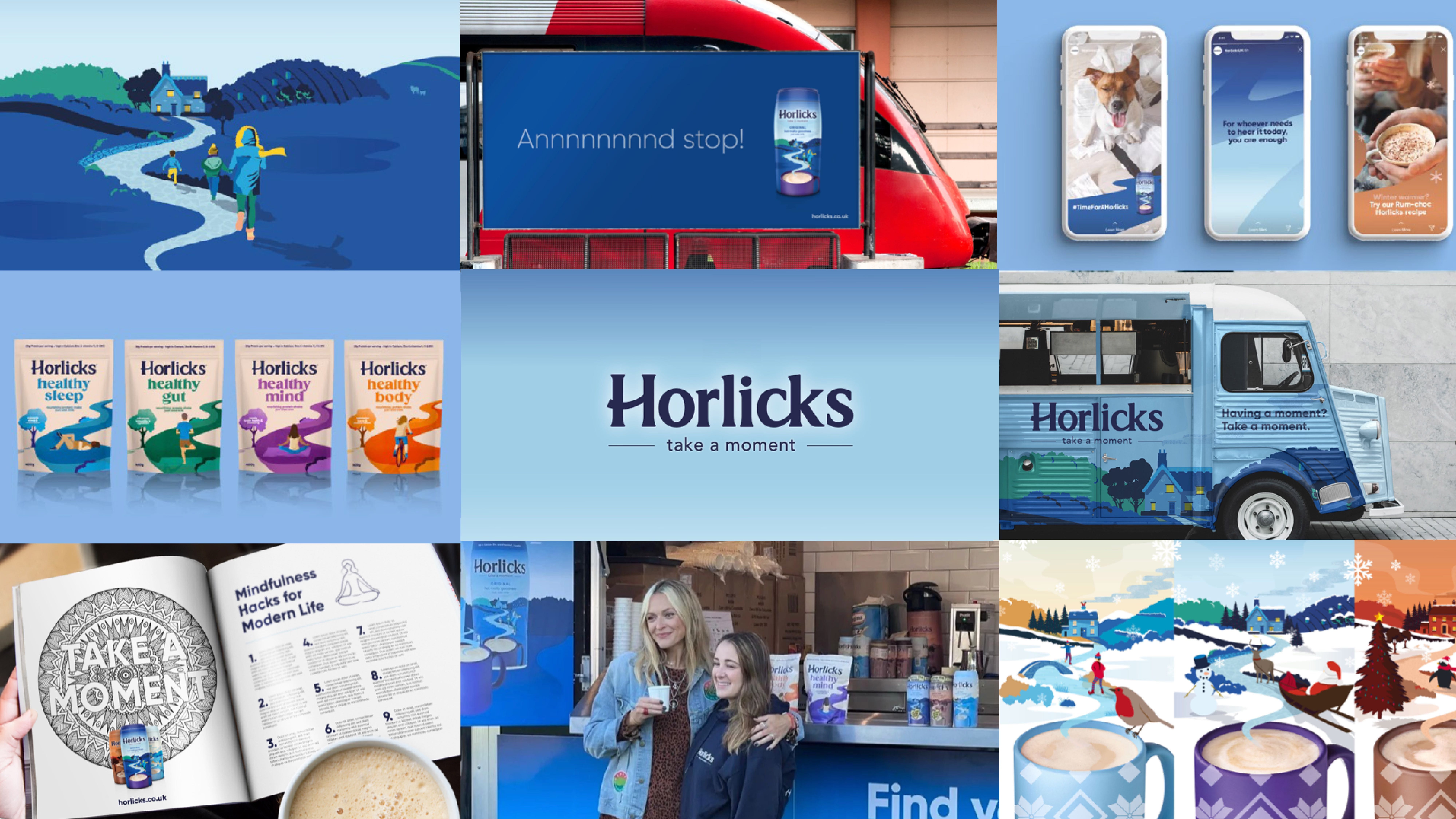
Horlicks, an oat-based drink brand traditionally viewed as an old-fashioned grandmother's beverage, offers a prime example. The brand's packaging was transformed from showing generic fields and oats to more evocative imagery that speaks to relaxation.
"We moved the brand from this position of sleep to relaxation and then created these beautiful illustrations…that's moving that brand from a position of sleep to relaxation, and it's all about take a break." - Richard Taylor
These design choices translated a simple product into an experience, inviting customers to envision a serene lifestyle rather than just a bedtime ritual. This type of emotional stickiness is crucial in making a brand memorable.
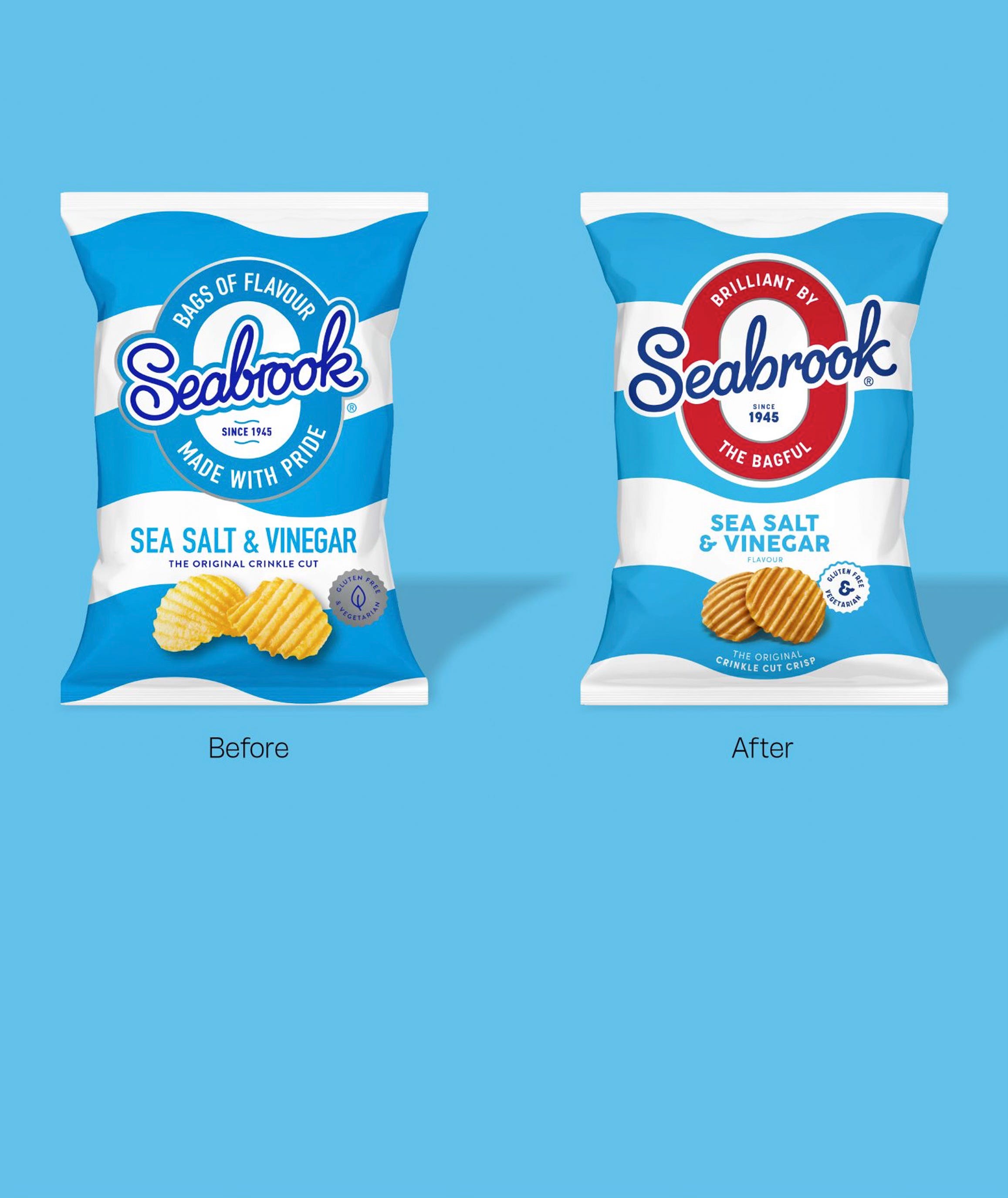
Seabrook's redesign followed a similar vein, using refined elements to draw consumers' attention subtly while maintaining its core identity. The centering of the waves on the packaging and adjustments in typography provided a fresh yet familiar experience.
"They hadn't leveraged the identity. It looked a little bit dated. So we had to elevate it and make it a master brand." - Richard Taylor
Neurodesign Principles in Action
Packaging design benefits immensely from understanding psychological triggers. Richard spoke about incorporating neurodesign principles, such as the use of curves and cusps, to evoke specific emotional responses from consumers.
"We work with a neuroscientist in our business to look at what we call neurodesign principles… Horlicks was all about bringing curves, bringing relaxation." - Richard Taylor
These subtle design elements can significantly enhance the consumer's emotional connection with the product, making it more than just an item on a shelf, but rather a part of their lifestyle and identity.
Opportunities for Disruption: Emerging Categories
Identifying Untapped Markets
While many categories have already seen significant disruption, Richard and Evelio pondered which areas might be ripe for the next wave of innovation. They considered categories that are large and fundamental, yet lack differentiated branding, such as toilet tissue and fiber.
"Maybe there's a different way… there's usually a koala on the packaging, or there's a dog on the packaging. It's telling you it's about this softness. It's got no real heart to it." - Richard Taylor
Fiber products, particularly those relating to gut health, also offer a potential avenue for unique branding strategies. The conversation highlighted how these often-overlooked categories could benefit from a creative narrative and bold design choices.
"Fiber could be the way. Gut health is the big thing that's happening in the UK now." - Richard Taylor
The Balance Between Trendy and Timeless
The discussion also touched on the pitfalls of trend-focused design, such as the temporary allure of brands like Prime. While these brands can make a big splash quickly, they often struggle to maintain long-term relevance and consumer loyalty.
"You ask yourself, did I just age out of understanding what's happening today? But still, brands need to have a heart, a truth to them that people buy into." - Richard Taylor
Finding the balance between trendy and sustainable involves not just eye-catching designs but also compelling stories that can withstand fleeting fads.
"If it's just got some word on it that says sex? But what's it about? What's it trying to do? What's it trying to tell a story?" - Richard Taylor

Reflections and Insights
This riveting discussion between Evelio Mattos and Richard Taylor illuminated several critical aspects of successful packaging design. From the creative disruption in commoditized categories to the nuanced art of storytelling through packaging and the untapped potential of unexciting product categories, the insights offered were as compelling as they were practical.
Great design isn't just about making products look good; it's about crafting a narrative that resonates emotionally with consumers, making the product an integral part of their lifestyle and values. Brands like Seabrook and Horlicks prove that with thoughtful design and a compelling story, even the most traditional products can find renewed life and relevance.
The potential for disruption is always present, especially in categories that may seem mundane or commoditized. Identifying these opportunities and leveraging creativity and storytelling can unlock new markets and drive business growth.
The insights shared by Richard and Evelio are a testament to the transformative power of great design and the endless possibilities it holds. Whether it's refining existing brands or venturing into new product categories, the principles of creativity, storytelling, and emotional connection will always be at the heart of successful packaging design.